Survive the sugar blues

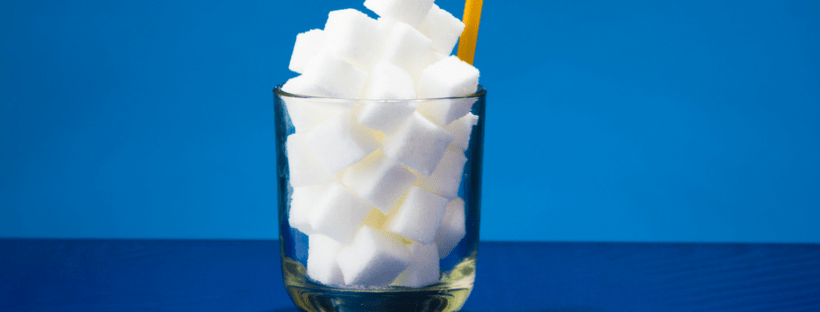
Have you decided to give the sugar the big heave ho?? If so, good on you! The no Sugar revolution is as popular as ever and for good reason. In 2015, the world health organisation changed guidelines to recommend adults and children limit their daily intake of sugar to no more than 6 – 9 teaspoons of sugar per day (there are around 4 grams of sugar per teaspoon).

Being sugar-free brings with it so many amazing benefits, but I am not going to sugar coat it (see what I did there)?? it can also be pretty tough some times.

That’s why this Easter rather than a sugar-laden egg I am giving the gift of my own experience.

My top 10 survival tips from my sans sugar journey:

  1. Tea, tea and more tea! After reading the IQS book, I replaced sweet treats with tea treats. Many teas have a sweet flavour and can be just enough to curb that sweet tooth. Drinking tea also gives you something to do with your hands and mouth, which is often all we need to keep us away from that sneaky sugary temptation. As an added benefit, herbal tea counts toward your daily water intake – its win, win! Experiment with flavours to keep your mind and mouth excited about something other than sugar.
  1. Put everything you learned about fat and calories to one side while you focus on giving the white stuff the boot. I grew up in a time when calories and fat were the enemy. I was always interested in the latest health and fitness craze and ironically this lead to me becoming a total sugar addict. This was because the majority of low calorie, low fat foods contain huge amounts of sugar. Sugar is used to replace the taste removed when the fat is removed. Go back to those delicious full fat versions to improve satiety and reduce sugar.
  1. Keep the end goal in sight. For me, giving up sugar was about reaching optimal health not the number on the scales. In fact I haven’t weighed myself in a very long time. The way I feel off sugar proves that whatever is happening on the inside is a good thing. We don’t need a set of scales to determine that.
  1. Crowd out. I found that coming off sugar left me with a bit of a ‘what now?’ feeling post dinner (I had always followed dinner with something sweet). When I started crowding out I found that I had more variety in my meals and eventually this crowding out technique lead to the feeling ‘what now?’ disappearing completely. Fill your plate with extra veggies, all the colours of the rainbow – have fun with your crowding!
  1. Coconut oil. I LOVE coconut oil for so many things. Being a beauty therapist and aromatherapist, I love to use it on skin and as a base oil when blending. I also love to use it in the kitchen. Because fat is super satiating and coconut oil has a naturally sweet flavour, a spoonful of the oil when that sweet craving hits is an instant way to curb it. Either add it to your tea or enjoy it straight from the spoon – yum!
  1. Add a little natural sweetness. Use spices such as cinnamon, nutmeg and vanilla to add natural sweetness to dishes. Cinnamon especially is known to balance blood sugar levels and therefore stamps all over those cravings. A favourite ‘dessert’ of mine (if crowding out hasn’t done the trick) is mashed carrot with coconut oil, cinnamon with vanilla powder – hello easy sugar free carrot cake!
  1. Move. When we are craving something sweet, the majority of the time it is because we are bored. If you feel that 3pm need for a sugar hit creeping up on you, head out for a walk instead. By the time you have walked for 10 minutes the need will have passed. You will also get the added benefit of a little extra exercise in your day – bonus.
  1. Find none-food rewards. We often use food as a reward for a hard day at the office, a challenging task completed or a good workout. In reality, there are far nicer rewards you could be giving yourself over sugar. Try a nice soak in the bath, some meditation, read a book, give yourself a DIY beauty treatment. Find something that nourishes your soul, as well as your bod.
  1. Make it fun! When I first started my sugar-free lifestyle I was terrified I wouldn’t find anything to eat. I was busy and a terrible cook. I soon realised that cooking sugar free didn’t have to be a huge time consuming task. It was quick, easy, and fun. I started experimenting with recipes and I am now a great cook, even if I do say so myself. And I have created a bunch of my own sugar free recipes. This exercise also made me far more mindful of what I was putting in my body and what types of foods my body thrived on.
  1. Be confident in your decision. It can be really hard to embark on this journey alone when you have saboteurs asking why you aren’t eating such and such or telling you ‘just one won’t hurt’. Learn to exercise your confidence here. Be polite and inform those around you that you are doing this for you and would appreciate they allow you to find out for yourself. This is your journey.

Whole Food For The Whole Body

We know foods impact on the body is huge – inside and out. Since the beginning of the whole food for the whole body journey, we have proven the brilliance of the avocado, discovered why Extra Virgin Olive Oil is referred to as liquid gold. We’ve explored natures very own multivitamin – the egg, we’ve found out how to cure-all with chamomile and have benefited from ‘the fruit of the Angels’ – papaya. This week I found out how nature’s ultimate energy snack can do more for you than you might think.

Nourish from within:

Beat depression with bananas high levels of tryptophan. Tryptophan is an amino acid which converts to serotonin; serotonin is the neurotransmitter responsible for balancing mood.

Sleep better with the combination of serotonin production and the magnesium contained in this fruit. It is the perfect before bed snack.

Recover quicker with the high levels of B-vitamins, potassium and magnesium bananas contain. This vitamin and mineral combo speeds up recovery from illness and exercise.

How to: 

Banana Bread – this convenient comfort food has endless variations. Don’t be fooled by the shop brought banana breads that are likely to be laden with refined sugar, give this recipe a go instead: http://trainerluke.com/recipes

Banana Brekkie – who doesn’t love pancakes for brekkie? Excite your taste buds and nourish your body with this brilliant recipe:

Easy-Peasy Protein Pancakes:

Ingredients

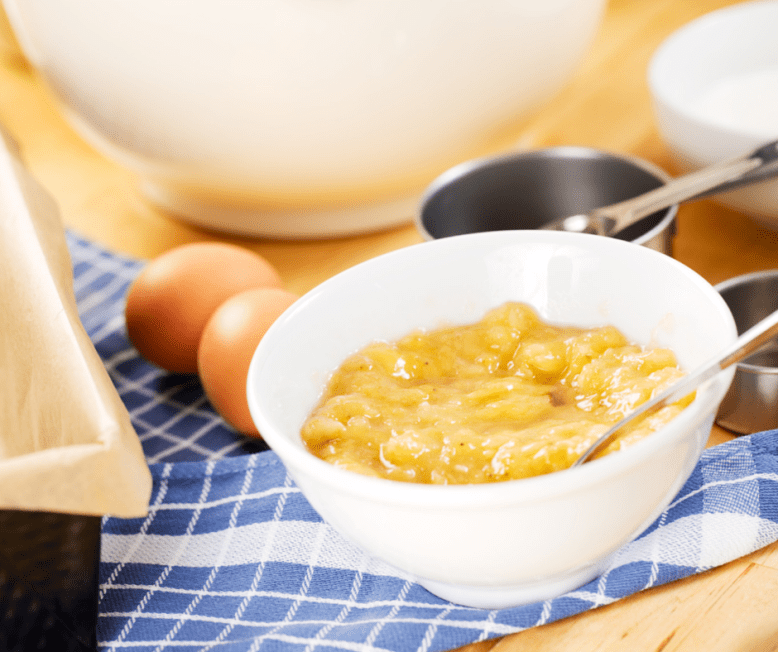
  • 1 Banana (the larger sugar bananas work best, or 2 small lady fingers)
  • 2 eggs
  • Pinch of nutmeg and a teaspoon of cinnamon
  • A little organic butter, or coconut oil (for frying)
  • Toppings of choice. BUF loves frozen berries and CoYo coconut yoghurt. We’re also partial to a little almond butter, or a drizzle of organic maple syrup.

Method:

  • Pop bananas, eggs, a pinch of nutmeg and generous serve of cinnamon in your blender and mix well.
  • Pour your batter into a slightly oiled or buttered pan and cook as you would regular pancakes. Recipe makes one large, or two small cakes.
  • Serve with your topping/s of choice.

Top Tip: Best eaten on a sunny balcony, with the Jack Johnson song, ‘Banana Pancakes’ playing in the background. Sigh…

Banana Break – of course, a simple banana alone is a great and easy snack. Try freezing one for instant healthy ice cream – perfect!

pancakes canva

Treating the outside:

Packed with all the essential vitamins and minerals needed for healthy, glowing skin. The benefits of a banana don’t stop at eating them. Available all year round the banana is the perfect addition to anyone’s beauty regime.

How to:

Face mask

Ingredients:

  • 1 ripe banana
  • ¼ cup plain yogurt
  • 2 Table spoons honey

Method:

Mash all the ingredients together in a clean bowl, apply to the face and neck avoiding the eye area. Lay back and relax for 15-20 minutes then rinse thoroughly. Follow with your favourite moisturiser.

Tips:

  • If your skin is on the oily side add a teaspoon of lemon juice.
  • For a dryer skin add a couple of drops of almond oil.
  • If you are looking to reduce those wrinkles, replace the yogurt with ½ an avocado.

banana pic 1

Whole food for the whole body

As we know, foods impact on the body is huge – inside and out. So far we have proven the brilliance of the avocado, discovered why Extra Virgin Olive Oil is referred to as liquid gold and explored natures very own multivitamin – the egg. This week I will be finding out why people around the world turn to chamomile tea as a cure-all.

Nourish from within:

Relieve stress, anxiety and get a good, nightmare-free sleep with chamomiles mild sedative effects.

Relieve menstrual cramps by reducing muscle spasms with the increase in glycine chamomile produces.

Recover more quickly from a cold with the antioxidants contained in chamomile.

How to:

Simply – Purchase chamomile tea bags and make tea! There are plenty of choices out there. Make sure you choose either German chamomile (Matricaria recutita) or Roman chamomile (Chamaemelum nobile) and a good quality brand. My favourite is pukka tea golden chamomile http://www.pukkaherbs.com.au/golden-chamomile-tea-bags/

Creatively – Mix it up. If chamomile on its own isn’t to your taste, you can still benefit from this incredible herb by mixing it with others teas, herbs, fruits and much more. Check out some of these options, below:

  • Chamomile + mint (fresh mint or mint tea) is a great, refreshing blend. Simply place both ingredients in to a tea pot with boiling water and brew to taste.
  • Chamomile + honey is a sweet, comforting treat. Simply add a teaspoon of honey to your freshly brewed tea.
  • Chamomile + hibiscus gives you a delicious fruity tea. Make in the same way as chamomile and mint.
  • Chamomile + fresh apple pieces are a calming, tasty combination. Pour boiling water into your teapot to warm it and then add fresh apple slices using a wooden spoon to mash them in the pot. Add the chamomile and leave to brew to your liking, strain and serve. Add honey for extra sweetness or rooibos to ramp up the calming flavours.

All sound like too much effort? You can find many good, blended teas around these days. My all time favourite is serenity by Mayde tea – chamomile, lavender and rose is a perfect blend that never fails to make me feel serene, get it here: http://www.maydetea.com/products/serenity

Dress –Tea can make a pretty delicious salad dressing, don’t believe me? Give this recipe from Art of Tea a go: http://www.artoftea.com/wordpress/2007/10/08/dress-your-salads-with-tea-2/

teapot


Treating the outside:

Chamomile has amazing healing properties that can accelerate the healing of minor skin irritations and wounds; it also has a natural bleaching effect on the skin. These properties make it an essential for evening skin tone and reducing the appearance of skin imperfections.

How to:

Eye treatment – reduce the appearance of dark circles and soothe tired eyes.

Ingredients:

2 organic chamomile tea bags.

Method:

Steep the tea bags in boiling water for 5 minutes. Remove from the boiling water and gently squeeze out the excess liquid. Pop the teabags in to the fridge for a few minutes to allow them to cool. Remove the teabags from the fridge, lay back, place a teabag on each closed eye and enjoy. This is a great relaxing treat for tired eyes and will naturally reduce dark circles and puffiness.

cam1

WHOLE FOOD FOR THE WHOLE BODY

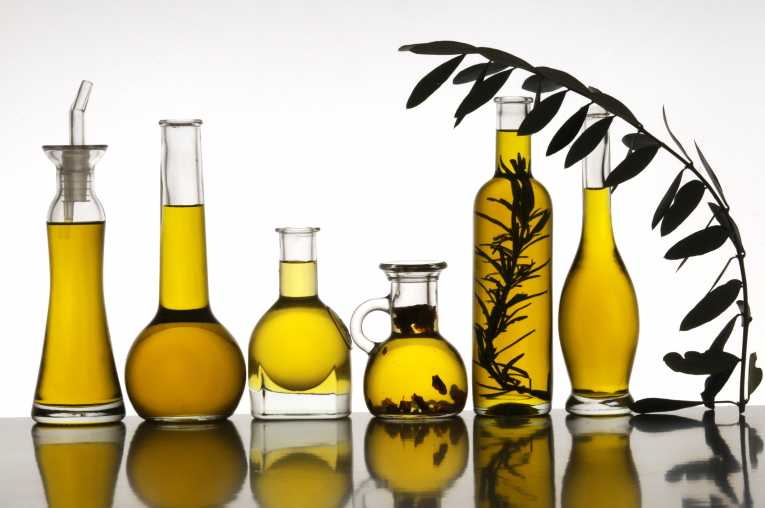
There is a good reason people in the Mediterranean refer to Olive oil as liquid gold. Here are just a few:

Nourish from within:

  • Improve circulation with the proven effects of good quality extra virgin olive oil.
  • Strengthen your immune system with the antioxidants it contains.
  • Keep your cholesterol levels in check with the role olive oil plays in lowering total blood cholesterol, LDL-cholesterol and triglycerides.

How to:

  • Dress – A simple drizzle of olive oil brings any meal to life. Infuse with any number of fresh herbs (I love rosemary) or team with vinegar’s for yummy combos.
  • Cook – Roasting a big batch of veggies in extra virgin olive oil and a few dried herbs is quick, easy and super tasty.
  • Dip – My favourite is pesto. Check out this awesome recipe from the I Quit Sugar website – IQS kale pesto

Olive oil

Treating the outside:

Extra virgin olive oil is full of anti-aging antioxidants, is naturally a low allergen and has a silky smooth texture making it perfect for dry sensitive skin.

How to:

Scrub – reveal beautiful radiant skin with this DIY alternative.

This scrub can be made based on your skin type and personal preference. Finer salt crystals will result in a finer scrub. My rule: make the crystals larger as you work down the body i.e. finer crystals should be used for the face, neck and décolleté. Whereas larger crystals can be used for areas such as elbow, knees and feet.

Combine the chosen salt (rock salt, Epsom salt, even table salt will do) and oil in a jar, mix thoroughly to ensure all crystals have been distributed. The amounts will depend on the salt type and area you are treating, aim for a fairly runny consistency. Using a small amount of the scrub in the palm of the hand, apply in a gentle circular motion concentrating on dry/rough areas. Rinse thoroughly and follow with moisturiser. If you don’t have allergy issues you can add a few drops of essential oil to the mixture, my faves:

  • Rose – great for any mature skins, adds to the anti-aging properties of the olive oil.
  • Lavender – great for relaxation and a scrub before bed.
  • Tea-tree – anti-bacterial and great for acne prone skins.

Stay tuned for more wholefoods for the whole body.

aroma

Whole food for your whole body – The amazing avocado

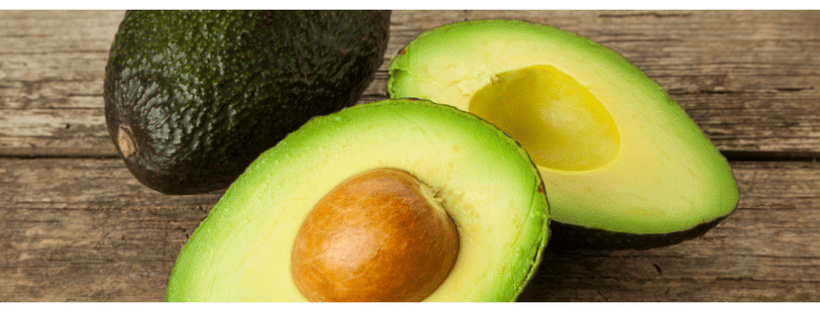
Who doesn’t love the humble avocado? It’s versatile, affordable and oh so good for you.

Nourish from within:

  • Improve heart health with avocados healthy fats and abundance of vitamins.
  • Support weight loss and help regulate blood sugar with their slow release of energy.
  • Help prevent arthritis, osteoporosis and other inflammatory issues by benefiting from their anti-inflammatory properties.
  • Reduce the signs of aging with the antioxidants contained in avocados.

How to:

  • Salad – Avocado makes for a welcome addition to any salad, it’s easy to incorporate and goes with just about any style. Winner!
  • Smoothie – Not only does avocado add a thick, creamy texture to smoothies it also adds some serious vitamins and minerals. Yum!
  • Spread – Avocado used in placed of butter and other spreads is a tasty, healthier alternative.
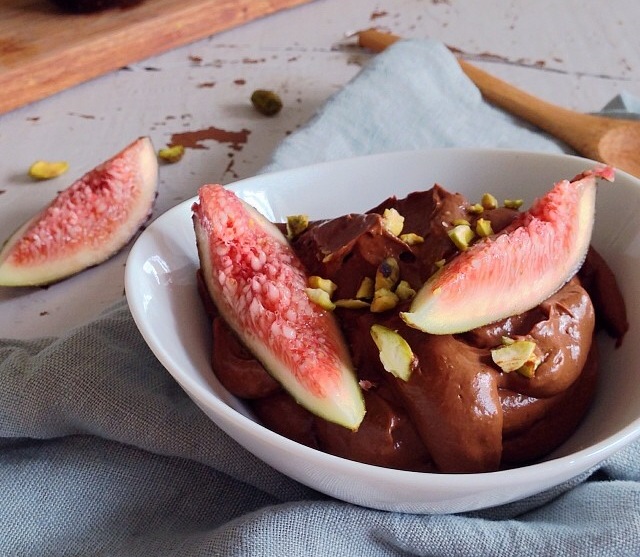
  • Dessert – Not the first thing that springs to mind when thinking of avocado, but trust me, avocado makes a perfect base for chocolate mousse. To prove it’s true, try one of my all-time favourites from the foodfixup app, here’s the recipe:

Cacao & Ginger Mousse

Serves 2

Ingredients:

  • 2 avocados
  • 1 inch of ginger, peeled
  • 4 tbsp cacao powder
  • 4 tbsp maple syrup (I use rice malt syrup)
  • 1/8 tsp sea salt

Method: Place all ingredients in a blender or food processor and blend until smooth, roughly 40 seconds. Add toppings of your choice and serve.

C&G Mousse


Treating the outside: 

Avocado contains nearly 20 essential nutrients, including fibre, potassium, Vitamin E, B-vitamins and folic acid. They also have anti-fungal and anti-bacterial properties and a natural fatty rich texture, making it perfect for nourishing any skin type.

How to:

Facemask – Kick back, relax and treat yourself with these homemade alternatives.

Ingredients:

  • ½ a ripe avocado
  • 1 tablespoon of natural yogurt
  • 1 teaspoon of raw honey

Method:

Combine the avocado, yogurt and honey in a clean mixing bowl and mix well. Immediately apply the mixture to a cleansed face and neck. Relax for 15 minutes and rinse thoroughly, tone and moisturise to complete.

Hair Mask:

Ingredients:

  • 1 ripe avocado
  • 1 tablespoon lemon juice
  • 1/4 Cup olive oil

Method:

Mix the ingredients in a clean mixing bowl until they form a paste like consistency. Apply the mixture to damp hair and leave for 20 minutes. Shampoo and condition hair as usual to remove and reveal super glossy locks!


TREAT YOUR BODY BEAUTIFULLY

Aromatherapy is a beautiful way to treat the body; it can have an extraordinary impact on the way we feel.
Oils can be targeted to work on specific concerns, or can simply be used to scent a room.
Check out my top ways to use oils to best benefit you!
The list:

  • Lavender – Relaxing
  • Neroli – Antidepressant
  • Grapefruit – Stimulant
  • Sandalwood – Memory booster
  • Orange – Energising
  • Petitgrain – Stress busting
  • Lemon – Detoxifying
  • Geranium – Hormones balancing
  • Tangerine – Soothing
  • Bergamot – Calming
  • Mandarin – Reduce fluid retention
  • Ginger – Good for nausea

How to do it:

  1. Deliver it darling

One of the most effective ways to receive the amazing benefits of oils is through the skin; this is best done with massage. With our top blends, all you need is a pair of expert hands to deliver it.

Anxious? Calm that nervous system by blending 3 drops chamomile, 3 drops ylang ylang, 3 drops rose (otto), 1 drop jasmine with 30ml evening primrose oil.

Been going hard at the gym? Treat sore muscles after a hard training session by blending 5 drops black pepper, 4 drops of lavender and 1 drop of lemon with 30ml Jojoba oil.

Experiencing sleepless nights? To drift off in to a deep slumber, blend 5 drops of chamomile and 5 drops lavender in 30ml of almond oil…zzzzzz.

Feeling romantic? Create a fail-safe aphrodisiac and blend 6 drops of sandalwood, 2 drops of jasmine and 2 drops of ylang ylang in 30mls rosehip oil.

Stressed? To ease tension and create calmness, blend 6 drops clary sage, 3 drops lavender and 1 drop lemon with 30ml Calendula oil.

See some of the other awesome properties these oils have, here.

Burn it baby!

A few drops of essential oil burned in an oil burner not only make a room smell divine, its vapours will also work on your mood – win, win! The size of your burner will determine the volume of drops and water you need, follow the instructions of your individual burner.

Worried about something? Along with water, add drops each of Cedarwood and Frankincense to your burner to quiet an over-active mind.

Unable to concentrate? Banish brain fog by adding a few drops of peppermint oil to your burner.

Libido lacking? Burn some jasmine throughout the day and by the time evening comes you will be ready for bed, if you know what I mean!

Your inner voice not being very kind to you? Boost low self-esteem by adding Neroli to your burner.

And breathe….

The benefits of essential oils don’t have to be contained indoors with massage and beautifully scented rooms. If you are often on the go, you can still reap all the benefits. Add 1 – 2 drops of these oils to a tissue and carry with you to get results on the go.

Struggling to find energy? Use ginger and lime to give you the boost you need.

Can’t get pass 3pm without a block of chocolate? Sniff peppermint throughout the day to curb cravings.

Feeling run down? Add eucalyptus to your tissue to relieve congestion, it’s an oldie and a goodie.

3.30itis is a thing

Last week I was asked to present to an office of young women. The topic: ‘Healthy eating in the office; how to beat 3.30itis’.

Not working in a corporate environment, and the way I eat ensures 3.30itis is most definitely not a thing for me. And I was excited to share with these women how they could benefit from the same.

With every Her Master Plan I provide, my number one priority is education. Education on how to feel beautiful and radiant from the inside out. Because it really does start from the inside.

When my clients come to me for training and skincare programs, they are sometimes surprised when I incorporate a nutritional consultation. The truth is – you can’t out train a bad diet and no matter how much you spend on skincare you will never have healthy, glowing skin if you have poor nutrition.

What you put in your mouth before you even leave home to head to the office can have a huge impact on what you are reaching for come 3.30pm. 3.30itis usually occurs due to an energy slump, depending on what you have eaten to start your day.

Bringing it back to my favourite nutritional topic – SUGAR!

Having sugar cursing through your veins from the get go isn’t going to be conducive to healthy eating in the office and avoiding the 3.30pm slump.

Sugar has been a hot topic over the past year and for good reason. Last year, the world health organisation changed guidelines to recommend adults and children limit their daily intake of sugar to no more than 6 – 9 teaspoons of sugar per day (there are around 4 grams of sugar per teaspoon).

There are a several reasons I recommend my clients reduce their sugar intake when working toward any health and fitness goal. The reasons are the impact of fructose and insulin on the body. This is what I shared with these beautiful young women:

Reason 1: Sugars impact on insulin.

Eating sugar dramatically raises insulin levels. Simplified – insulin is the main hormone responsible for depositing fat in fat cells, increased insulin means increased fat storage. If you are continuously eating sugar you will maintain consistently high levels of insulin and in turn will continue to store more fat.

Hunger is the signal our body gives us to tell us we need more energy. When we eat refined sugars to provide this energy, the amount of insulin released makes our body think it’s getting a truckload of food. When this food doesn’t arrive the body is left unsatisfied and hungry again soon after. This is why we get that craving for ‘something else’, and it is the reason we get foggy brains and sugar cravings at that time.

If that wasn’t bad enough, insulin also shuts down our fat burning capacity and keeps it slow for some time; it does this while promoting fat storage – what a double whammy.

Reason 2: Fructose.

Sugar is made up of half glucose, half fructose.

Ghrelin (your hunger hormone) is not affected by fructose – the brain does not recognise fructose as food/energy. Therefore you could eat fructose until you pop, without feeling full.

The clever food industry sales people latched on to this and started adding fructose to a lot of unsuspecting foods to ensure people need to purchase more of it. Ironically, fructose is mostly added to low fat and diet foods.

Unlike anything else we put in to our body, our body does not use fructose straight away as energy; instead it’s converted directly to fat.

And perhaps worst of all, fructose is the component in sugar that assists in the deposit of visceral fat. Visceral fat is the fat that builds around our organs and in turn causes a plethora of health issues.

If all that hasn’t given you good enough reason to finally kick the sweet stuff to the curb, let me appeal to your vanity here: sugar accelerates aging! Imagine this – when we add a sugar coating to food, the food browns more quickly (imagine a glaze on BBQ meat). When we put sugar in to our bodies this accelerated browning occurs in our body too, causing cellular aging. This is known as the maillard reaction http://en.wikipedia.org/wiki/Maillard_reaction

The busy new mum guide to achieving health and fitness goals.

I know just how difficult it can be to achieve that health and fitness goal when a new bub becomes your priority. Ideally you would love to attend every class and PT session you schedule in your mind. The reality is it isn’t always possible. Here I share my top tips to make exercise and eating well even easier for busy new mums.

1. Join a mums and bubs community by attending a mums and bubs fitness class. The support you get from a like minded community is such great motivation to keep going. It’s also affordable and flexible enough to allow for sleepless nights, unexpected nappy change emergencies, and other things that can often get in the way despite all best intentions. Some of the best friendships are often made through these focused fitness sessions.

2. Give yourself rewards – For every little health and fitness achievement, reward yourself with a little treat. A nice candle lit bath when your bub is in bed, a DIY facial (try some of our natural beauty recipes, here), whatever makes you feel pampered and womanly will have you working hard to earn more of those rewards.

3. Don’t dwell on bad days – Beating yourself up for bad days will only make you feel worse and cause you to go in to that ‘all or nothing’ spiral. Brush bad days under the carpet and get on with being good again the next.

4. Be kind to yourself – If you are exhausted and the thought of exercise is filling you with dread – don’t exercise! It will only cause you to resent exercise (and play havoc with your hormones). Just relax while you are exhausted, recharge and get straight back in to it the next day.

5. Enjoy it – Don’t look at exercise and eating well as a chore. Enjoy learning new recipes and learning about your new post baby body.

6. Get a friend on board – Ideally one who has children your age – you will motivate each other and can use your fitness activity as a great excuse for those all-important adult catch-ups.

7. Change your view of housework and use it as exercise – Pick up one item at a time meaning you are back and forth more times, consciously squat rather than bend when picking things off the floor, run up the stairs rather than walk – it all adds up.

8. Make small, easy swaps – potato chips for pumpkin chips, spaghetti for zucchini spaghetti. The possibilities are endless, check out some of the best ideas, here.

5 Signs Your Hormones Are Impacting Your Mojo

Not only do those pesky hormones impact our moods, but they can tamper with our food and exercise plans too. The good news? You can get the balance just right.

Hormones have a huge impact on our health, wellbeing, energy and mood.

When our hormones are perfectly balanced it is called homeostasis. This means we have appropriate energy levels, we sleep well, and our body guides us as to when it’s right for us to eat and exercise. Unfortunately many factors can throw our hormones out of whack and these days very few of us are in a state of homeostasis. Being out of homeostasis can lead to fatigue, irregular appetite, issues with weight and decreased mood.

If you think your hormones are off balance and could be causing issues, your first point of call should always be your doctor. You can request tests be done to determine if hormones are the problem.

Here, I reveal the tell-tale signs that your hormones are messing with your wellness mojo…

1. YOU ARE ALWAYS TOO TIRED TO EXERCISE – DESPITE HAVING THE BEST INTENTIONS
This could be due to an imbalance of cortisol levels. Cortisol is involved in our fight and flight response and is the hormone responsible for giving us the energy we need in stressful situations, such as running away from danger (think caveman running from the sabre tooth tiger). These days we don’t have to run from much danger, however reading a stressful email or being given a short deadline triggers the same stress response. The problem is that when we are sitting at our desks experiencing these stressful situations, the hormone isn’t used to run from that big tiger so it can remain high in the body, which ultimately leads to exhaustion.

Rebalance: Stress management is essential for anyone with high cortisol levels. Start with less intense forms of exercise such as yoga, Pilates, walking etc. The body is going to view any super high intensity exercise as another form of stress, which will only increase your cortisol levels.

Work on reducing your stress by trying a few easy tricks.

  • Find your zen: Many people find meditation useful and there are a plethora of mindfulness apps and guides out there these days to get you started.
  • Remove the unnecessary: You can also actively try to remove yourself from unnecessary situations that might lead to heightened stress levels.
  • Cut your caffeine: It is also a good idea to limit caffeine. I love coffee as much as the next person but unfortunately this stimulant causes an increase in cortisol. If you are going to drink coffee, try to stick to one per day.
  • SLEEP! Sleep is essential in balancing all hormones, cortisol included. Seven to nine hours a night is recommended. If you have trouble sleeping, try taking a magnesium supplement before bed, switch off all electronic devises at least an hour before bed and make sure your bedroom is pitch black and a conducive environment for sleep. A little lavender oil on the pillow also works wonders.

2. YOU CAN’T SHIFT THAT MUFFIN TOP
It could be your testosterone. Testosterone is a male and female sex hormone and it helps the body to build muscle. Declined testosterone levels can lead to us being unable to shift weight from our mid-section. The research suggests that eating too much meat, living a sedentary lifestyle, binge drinking and smoking can all lead to declined testosterone levels.

Rebalance: Exercising regularly is essential to help achieve optimal testosterone levels. Even walking for 20 minutes a day will help. Try to find a form of exercise you enjoy, this will ensure that you are consistent with doing it – consistency is key.

Eating a varied nutrient dense, whole food diet will help keep testosterone levels where they need to be. And will help you get rid of that muffin top once and for all.

As with all hormones, reducing stress and ensuring optimal sleep patterns is also going to assist in re-balancing testosterone in your system.

3. YOU FEEL LOW
It could be serotonin. Serotonin is our feel-good hormone. It regulates mood, sleep patterns, appetite, memory, and some of our muscular functions. Unlike other hormones our serotonin levels are not linked to lifestyle factors such as stress. It can be that the brain simply does not produce enough serotonin. Your doctor can confirm this.

Rebalance: In severe cases of decreased serotonin, your doctor may prescribe antidepressants. It is also essential to make sure you are getting 7-8 hours of sleep per night. Eating foods high in tryptophan (the precursor to serotonin) such as turkey, avocado and yoghurt can be beneficial. And regular exercise will also help to release endorphins and improve mood.

4. YOU ARE HUNGRY ALL THE TIME
It could be ghrelin (your hunger hormone). If your ‘I feel full’ hormones aren’t kicking in it might be that your diet contains too much fructose. Ghrelin is not affected by fructose – the brain does not recognise it as food. Therefore you could eat fructose until you pop, without ever feeling full!

Rebalance: Gently reduce your fructose intake. Fructose is hidden in lots of the food we assume are good for us, especially ‘diet’ and ‘low-fat’ foods. If you are struggling to lose weight yet you are living on low-fat/low- calorie foods, try going full-fat for a while. You will feel more satisfied and full, meaning you won’t be craving more food after your meals.

5. YOU CRAVE AN ARVO’ SUGAR FIX
Eating sugary foods dramatically raises insulin levels. Insulin is the main hormone responsible for depositing fat in fat cells, meaning that increased insulin equals increased fat storage.  If you are continuously eating sugar you will maintain consistently high levels of insulin and as a result will continue to store more fat. The problem is, when you are in that cycle the body craves more sugar when insulin levels dip. This can make it seem impossible to focus until you have satisfied the craving.

Rebalance: Introduce protein at every meal. Protein will satiate you and sustain energy levels by balancing insulin release, which means you will avoid that brain fog feeling and the need to reach for a sugary pick me up. Combine that protein with a little good fat and carbohydrate to be sure you win out over the mid afternoon slump – goodbye cravings!

Postnatal Fitness ­ Easing Back Into Movement

So, you actually brought a new human into the world?! Apart from feeling a little (or a lot) sleepy as a result of caring for bub 24/7, chances are you’re feeling great and beyond ready to get back in to it, right? In fact, you’re probably pulling on your joggers as you read this! Postnatal women are often too keen to return to exercise soon after childbirth, and it is a common misconception that everything returns to normal at the magical 6-week stage and you can dive straight in where you left off.

You need to remember your body has been through a major physical event. Gradual progression and recovery from both pregnancy and labor needs to be your focus.

It’s essential you don’t commence any exercise (other than those advised to you by hospital staff) without clearance from your doctor. Your doctor will be familiar with your individual situation and you need to trust that they know what your body is able to sustain at this stage.

If you have abdominal separation, also known as rectus diastasis (RD), your first point of call when returning to exercise needs to be a physiotherapist. RD is a huge topic all on it’s own. Find out more, here.

Remember, even if you feel on top of the world it still may not be safe for you to jump in to certain activities.

Let’s take a closer look at this in stages:

The first few days

The first few days post-delivery, you really need to focus on you, your new bub and getting some serious rest time in where possible.

  • Rest and recovery is essential right now, relaxation should be a priority.
  • Avoid prolonged periods of standing during these initial days.
  • Light walking within comfort is fine, if it has been ok’d by hospital staff (this will be dependent on your own personal delivery experience).
  • The pelvic floor and deep abdominal exercises provided by the hospital physio / midwife are really important at this, and all stages.

The first few weeks

Allow this time to settle in to your new life. You will likely feel physical and emotional fatigue during this time, hormones can be out of whack and you need to be very gentle with yourself.

  • Gentle walking is great, unless your doctor has advised you otherwise.
  • It is really important to continue with the prescribed pelvic floor and deep abdominal exercises throughout these weeks.
  • Depending on your previous experience and individual situation, you can possibly perform some gentle Pilates and stretching at home during these weeks.
  • Any impact, straining or excessive training at this stage may compromise your pelvic floor, core and recovery, making things more difficult for you down the track.
  • Focus on gentle movement and enjoying your newest addition.
  • For any movement – ensure adequate breast support and hydration.

First few months

Be sure to gradually ease back in to things. This will be different for everyone and you really need to listen to YOUR body. A good postnatal trainer can help you progress exercise at a pace that will keep you (and your pelvic floor) safe.

  • Breast-feeding puts greater metabolic demand on your body, and needs to be considered in both your nutrition and training. Make sure to support any training you do with adequate nutrition to match the level of training – this is not the time to be restricting calories, macros or cutting food groups.
  • Avoid high impact exercises and heavy resistance training for at least 12 weeks post birth. The point at which you are able return to this this type of training will be individual to you. It is best to work with a qualified postnatal PT who will perform certain tests to make sure it is safe.
  • Continue with the pelvic floor and deep abdominal work you have been doing so far. You can now also work with a qualified postnatal PT to progress this.

If you had a caesarean section

It takes slightly longer to recover from a C-section and you must keep these extra precautions in mind.

  • Allow 12 weeks or more for healing to occur.
  • Avoid all lifting and straining of the abdominals until cleared by your doctor and physiotherapist.
  • It is important that when any pain has minimised you activate the transverse abdominal muscles with simple, gentle activation exercises straight away to ensure tone returns ASAP. Hospital staff usually provide these exercises, or a good physio/osteo that’s been with you throughout the journey.
  • It may take up to 14 days post delivery for you to be able to walk within limits of comfort. This is normal, so be patient.
  • Progressing exercise with the support of a qualified postnatal PT and physio is essential when returning to exercise after a C-section.

Always remember that your situation will be individual to you, and it’s best to work with a professional to make sure you are doing what is best for your body. To find out more contact us!